
How Stone Pathways Transform a Luxury Garden
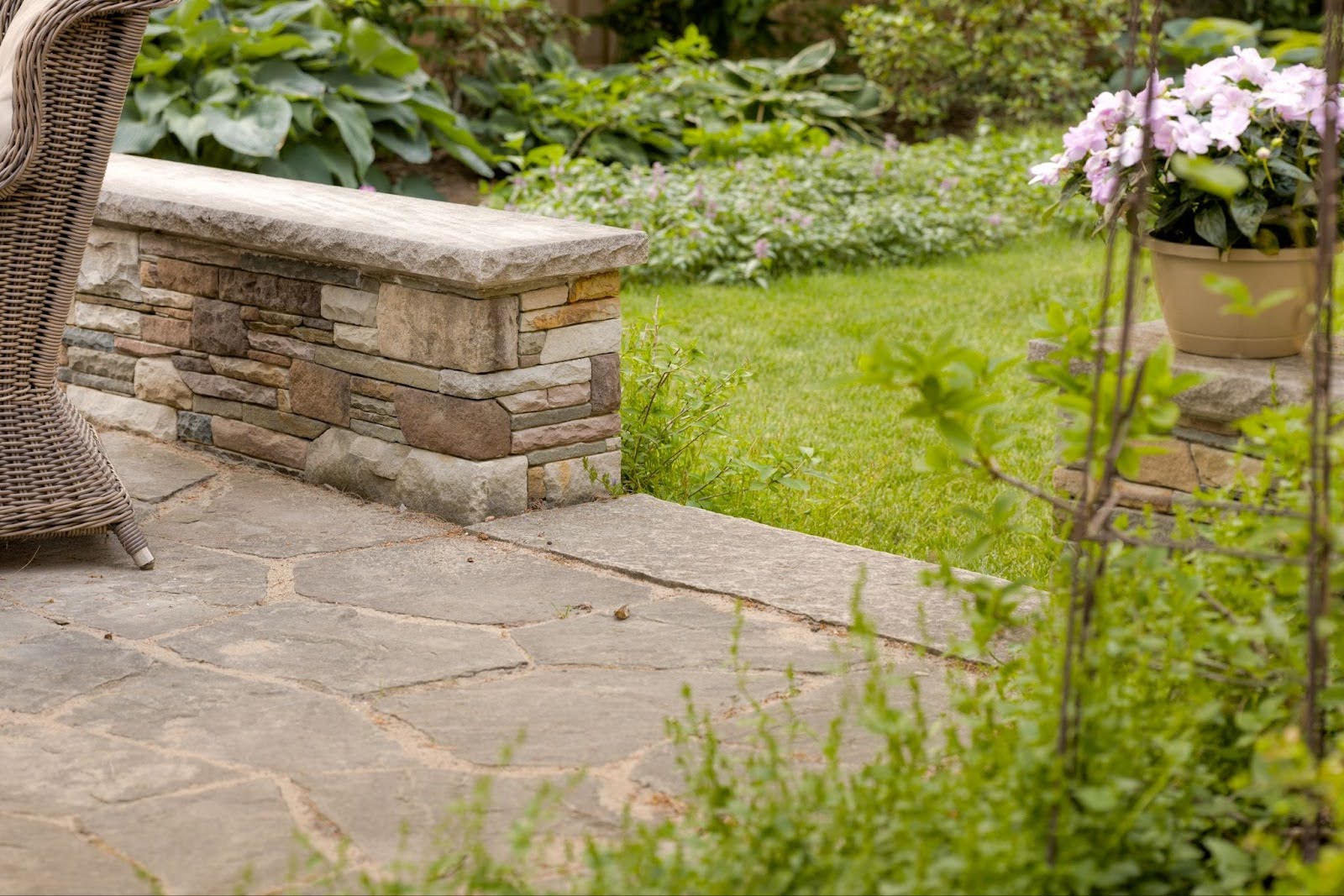
Does your garden feel disjointed or incomplete, despite its beautiful plants and features? A lack of structure can make even the most lush and vibrant space feel unbalanced and hard to navigate. Stone pathways for gardens can tie your outdoor space together while adding an undeniable sense of luxury.
Stone pathways are the backbone of many high-end gardens. Beyond their aesthetic appeal, they guide movement, create flow, and define the layout of a landscape. Whether you’re envisioning a winding garden trail or a formal path leading to an outdoor dining area, continue reading to see why stone pathways are the ultimate way to elevate your garden’s design.
The Benefits of Stone Pathways in Luxury Landscapes
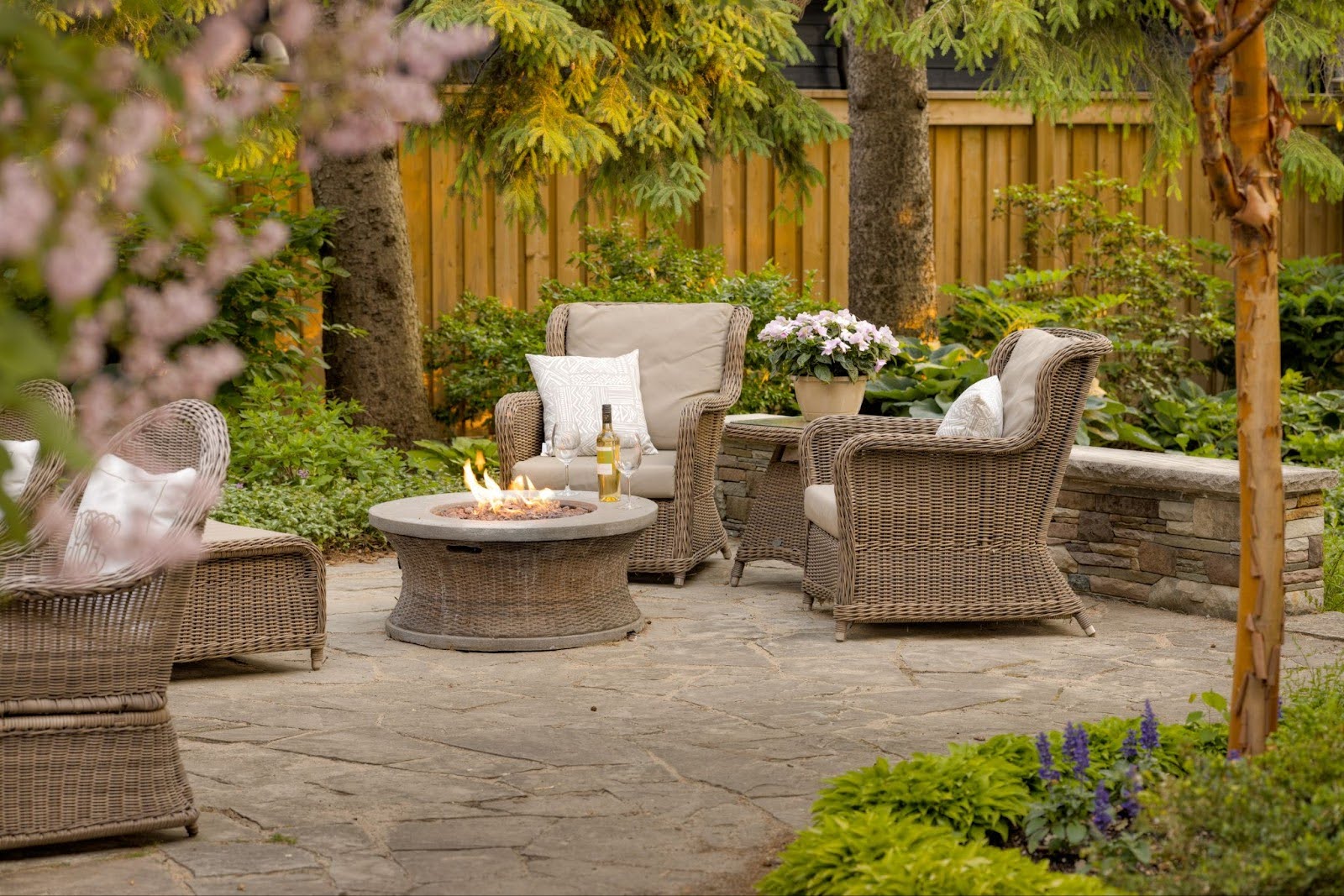
Stone pathways are more than practical, they transform gardens into cohesive and visually appealing spaces. Let’s explore their unique benefits:
-
Aesthetic Appeal
Stone pathways introduce texture, colour, and natural beauty to your garden. Whether you choose smooth flagstone or rustic cobblestone, the natural variation in tones and shapes enhances both traditional and modern designs.
Design Inspiration: Imagine a gently curved pathway lined with lavender and bordered by climbing roses. Each step feels intentional, drawing the eye toward a garden’s focal point.
-
Functionality
Paths provide safe, clear routes through the garden, protecting delicate plants and keeping foot traffic organized. Whether leading to a seating area or connecting outdoor rooms, they make navigation seamless and enjoyable.
-
Defining Spaces
Stone pathways act as natural boundaries, delineating planting beds, lawns, and other garden features. They help divide outdoor spaces into functional zones, such as dining, lounging, or play areas.
-
Timeless Durability
Unlike wood or composite materials, stone ages gracefully. It resists wear from weather and foot traffic, ensuring your pathways remain beautiful for decades with minimal maintenance.
Types of Stone for Pathways
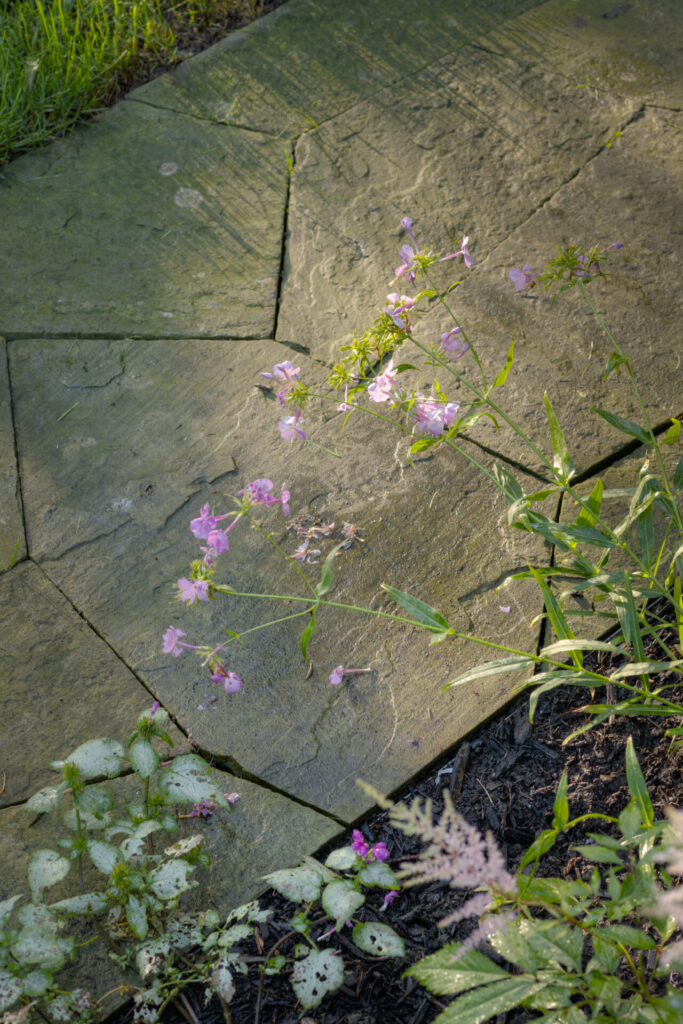
Selecting the right stone is crucial for achieving the perfect balance of aesthetics and functionality.
Flagstone
Flagstone is a versatile favourite for luxury gardens. Flat, irregular shapes create a natural look that blends seamlessly with surrounding plants and features.
Best For: Casual pathways, patios, and seating areas.
Design Tip: Use flagstone with creeping thyme or moss between the joints to soften the look and add colour.
Cobblestone
Cobblestone pathways exude old-world charm, making them ideal for traditional or European-inspired gardens. Their rounded surfaces create a textured, tactile experience underfoot.
Best For: Formal entranceways or feature pathways that require a statement.
Limestone
Limestone offers a sleek, contemporary appearance. Its neutral tones and smooth finish complement modern gardens while maintaining a timeless feel.
Best For: Symmetrical pathways in structured garden layouts.
Pro Tip: Seal limestone to protect it from water absorption and staining.
Gravel with Stone Edging
For a less rigid look, combine loose gravel with stone borders. This combination feels rustic yet polished, making it perfect for informal garden trails.
Best For: Meandering paths through wooded or cottage-style gardens.
Maintenance Note: Use a weed barrier beneath the gravel to minimize unwanted growth and shifting.
How to Incorporate Stone Pathways into Your Garden
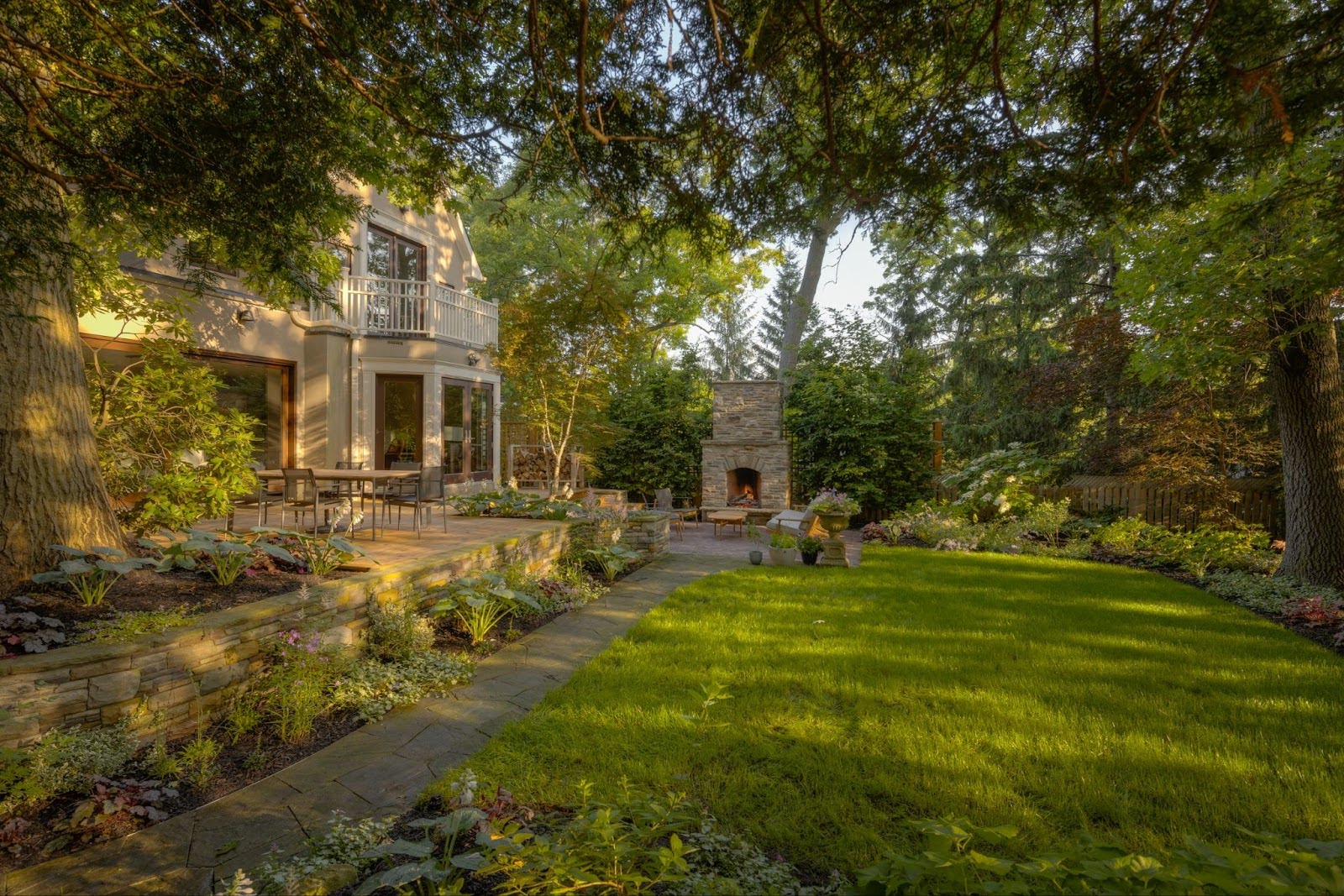
Every luxury garden has its own unique personality, and stone pathways should reflect the homeowner’s style and needs.
Step 1: Plan the Layout
Start by identifying high-traffic areas and key features you want to connect, such as seating areas, water features, or an outdoor kitchen. Consider the overall flow of your garden—straight paths suit formal gardens, while gentle curves add intrigue to naturalistic designs.
Step 2: Match the Material to Your Style
Choose a stone that complements your garden’s overall aesthetic. For instance, use smooth, uniform limestone in modern spaces and textured cobblestone for traditional gardens.
Step 3: Integrate Planting
Enhance your pathways with lush borders. Low hedges, perennial flowers, or ornamental grasses can frame the path, adding softness and vibrancy.
Designer’s Insight: Include height variation with features like arches or trellises over key points in the pathway to create dramatic focal areas.
Maintenance Tips for Longevity
Maintenance Tips for Longevity
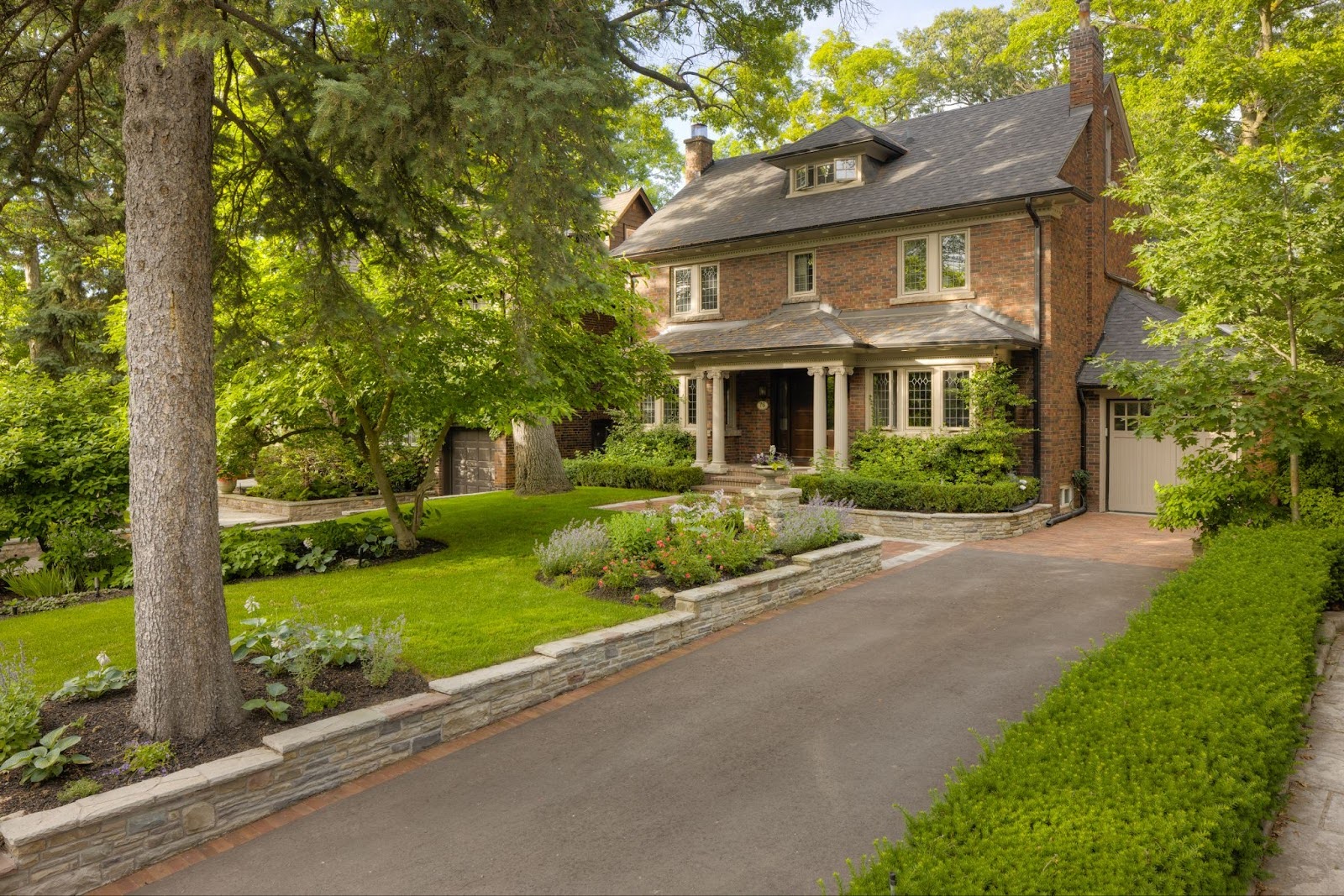
Stone pathways are long-lasting, but proper care ensures they remain stunning for decades.
Follow these maintenance tips:
Regular Cleaning
Sweep away dirt and debris to prevent staining and moss buildup. For stubborn spots, use a gentle detergent and a stiff-bristled brush to scrub the surface.
Weed Prevention
Keep joints weed-free by applying polymeric sand or using a weed inhibitor. Regularly inspect and remove any unwanted growth.
Sealing Stone
Seal porous stones like limestone or flagstone to protect them from water damage and stains.
Reapply sealant every 2–3 years to maintain durability and appearance.
Repair Loose Stones
If any stones shift or loosen over time, reset them with fresh mortar or sand to ensure safety and consistency.
Stone Pathways vs. Alternative Materials
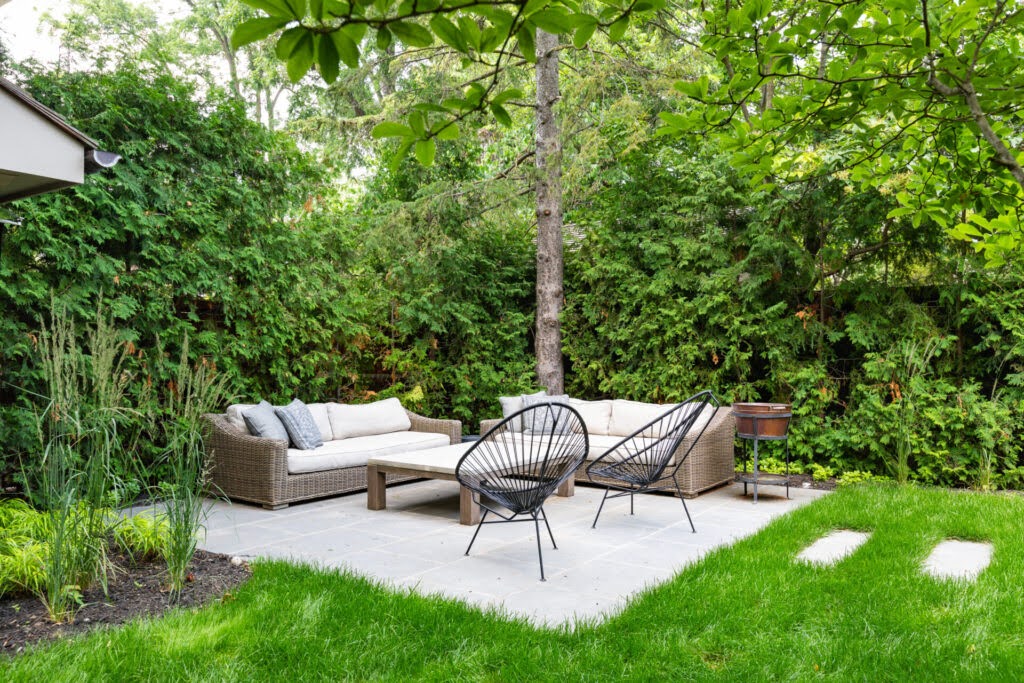
While stone is a superior choice for luxury gardens, understanding its unique advantages over other materials can help solidify its appeal.
Why Choose Stone?
- Durability: Unlike wood or composite materials, stone can endure harsh weather and heavy foot traffic without losing its beauty.
- Timelessness: Stone never goes out of style, adapting effortlessly to both modern and traditional landscapes.
- Natural Beauty: The organic texture and color variations in stone bring an earthy, authentic feel to any garden.
Why Stone Pathways Are Essential for Luxury Gardens
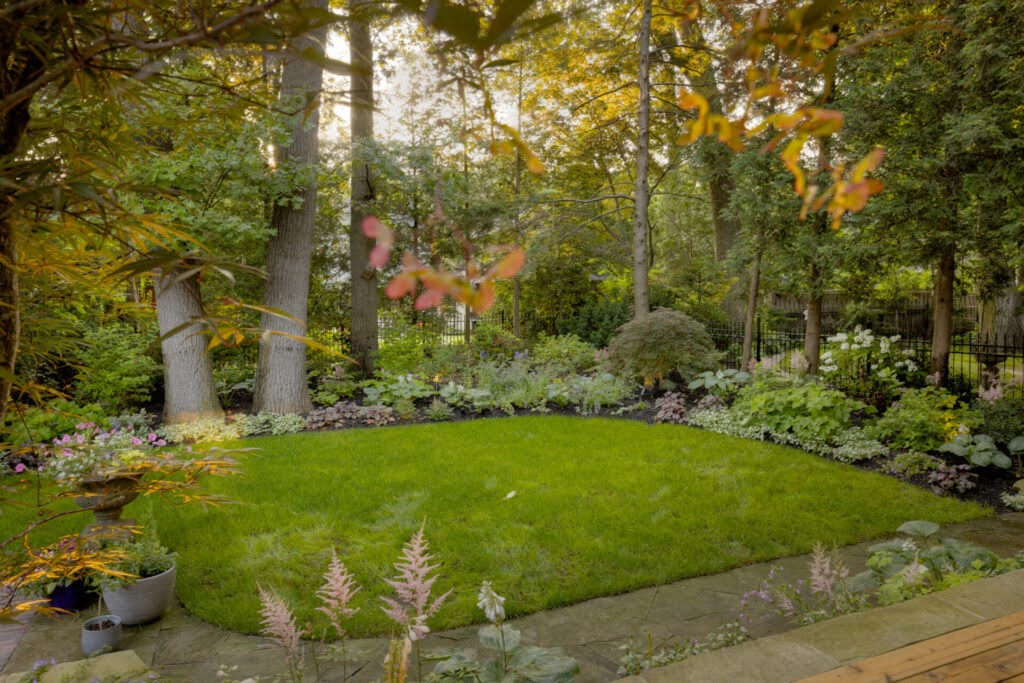
For luxury homeowners, stone pathways are both practical and transformative. They bring structure, elegance, and cohesion to outdoor spaces while enhancing the property’s overall beauty.
Historical Connection: For Toronto’s century homes, stone pathways also pay homage to the property’s heritage. Materials like cobblestone or reclaimed flagstone seamlessly align with the architectural character of these homes, creating a cohesive look that feels both luxurious and timeless.
Design Perspective: A well-placed stone pathway can transform a garden into an experience. Imagine stepping onto a curved limestone path that winds through lush greenery, leading to a secluded seating area under an ivy-covered trellis. The pathway is part of the journey.
The Importance of Masterful Craftsmanship When Working with Stone
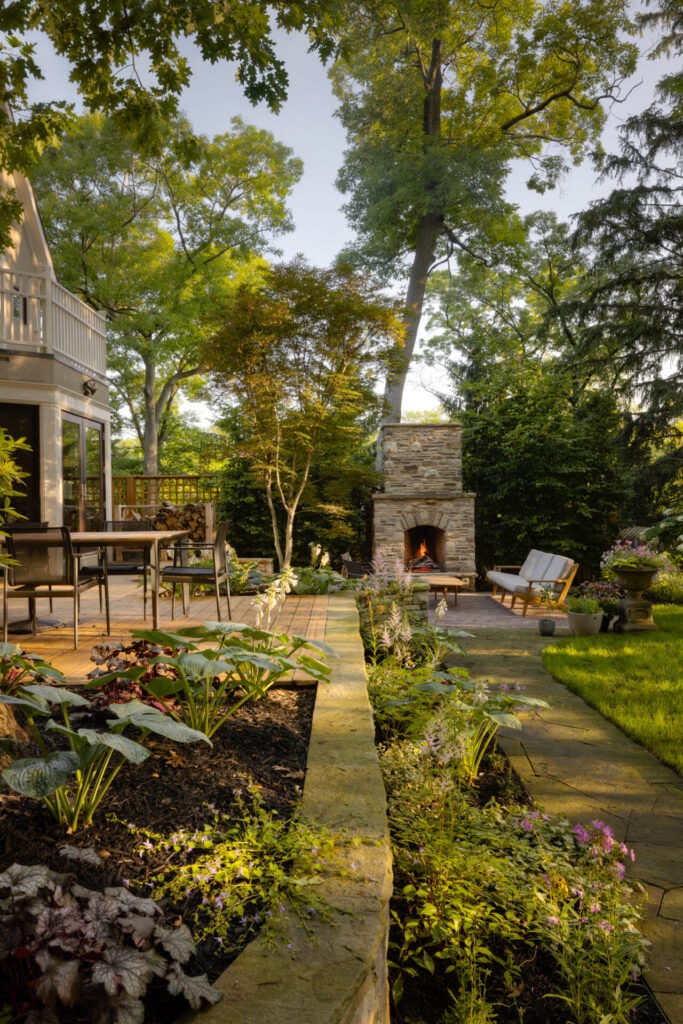
Craftsmanship is the cornerstone of any truly exceptional masonry. While materials like flagstone, limestone, and cobblestone hold inherent beauty, it’s the skill and technique of the mason that transform them into pathways, walls, and features that feel both timeless and intentional.
Stonework in luxury gardens isn’t just about utility; it’s about artistry. Masterful craftsmanship brings precision to every cut, curve, and placement, ensuring that the design feels natural yet deliberate. In gardens designed for century homes, this attention to detail is even more critical—stone elements must blend seamlessly with the property’s existing architecture while honouring its historical character.
Why Craftsmanship Matters
- Preserving Authenticity:
Using traditional methods, such as hand-carving stone with hammers and chisels, ensures that new stone features feel as though they’ve always been part of the property. These techniques mirror the craftsmanship used in the original construction of Toronto’s century homes, maintaining architectural continuity. - Durability Through Precision:
Poorly executed stonework can lead to shifting, cracking, or uneven surfaces over time. A skilled artisan ensures that pathways, retaining walls, and other features are built to last, standing the test of time both structurally and aesthetically. - Visual Harmony:
Artisanal techniques allow for the thoughtful placement of stones, creating patterns and textures that are functional and beautiful. For example, a master mason might position irregular flagstone pieces in a way that mimics natural geological formations, giving the pathway a seamless flow. - Personalized Elegance:
Master craftsmanship transforms stonework from a practical element into a design feature that reflects the homeowner’s unique style. From custom engraving on stone benches to intricate edging along pathways, the details crafted by hand elevate the overall garden design.
A Legacy in Stone
When executed with care and expertise, stonework becomes part of a property’s legacy. The techniques used today echo those of artisans centuries ago, linking the modern garden to its historical roots. Whether through the perfect curve of a pathway or the symmetry of a retaining wall, masterful stone craftsmanship tells a story—one of precision, dedication, and timeless beauty.
At Lincoln Woods, we combine detailed and comprehensive design with traditional artisanal methods to craft outdoor spaces that honour the character of Toronto’s century homes while introducing modern functionality. From scaled renderings to the precise placement of every stone, we take pride in creating gardens that feel timeless, elegant, and uniquely yours.
Contact us for a consultation and take the first step toward transforming your outdoor space.