
Landscape Ideas That Preserve Century Home Charm
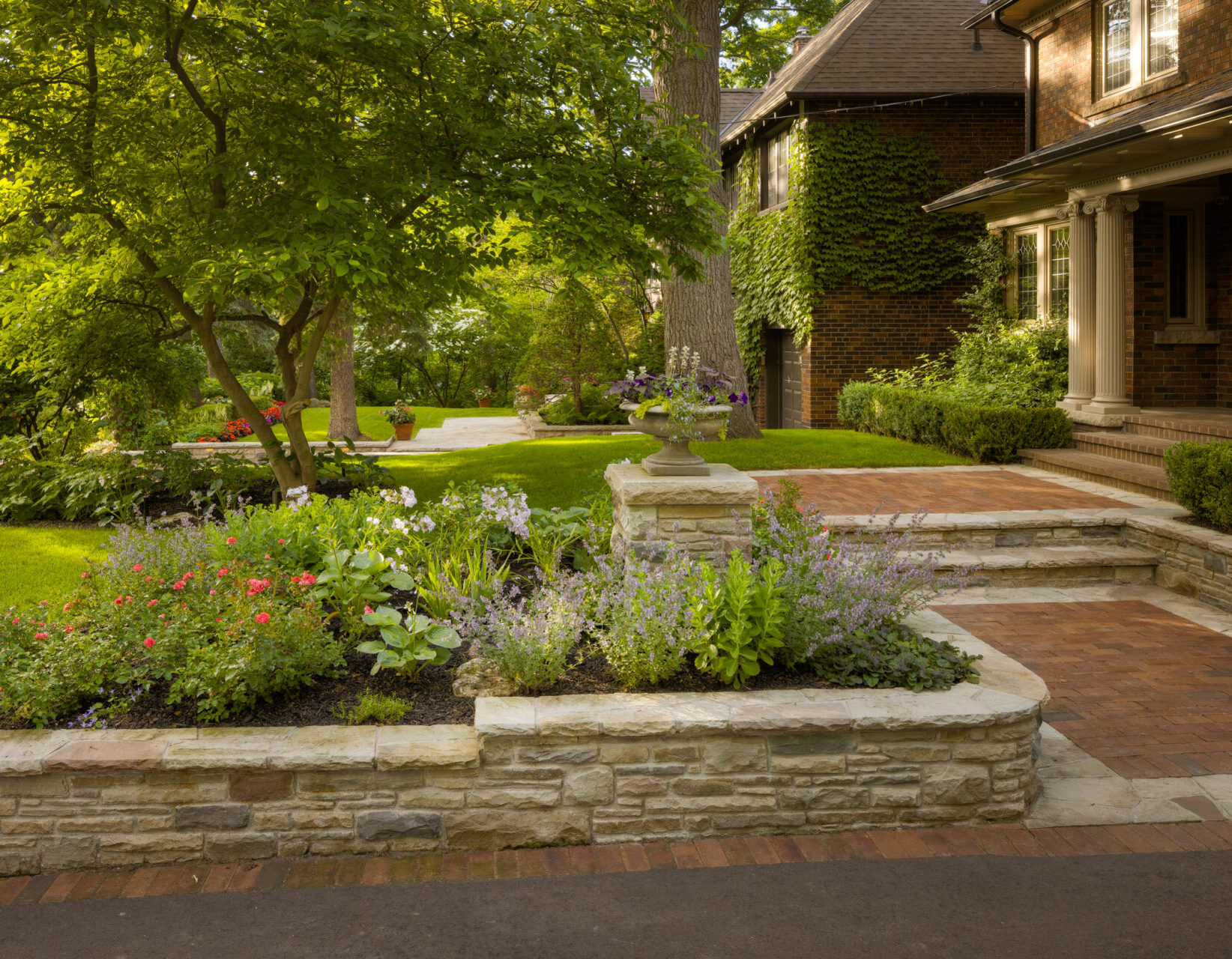
Does your outdoor space reflect the beauty and heritage of your century home? Many homeowners cherish their historic properties, yet find themselves frustrated by gardens or landscapes that feel disconnected from the home’s character. Neglected stonework, overgrown greenery, or modern features that clash with traditional architecture can diminish the charm of a property that deserves to shine. The solution? Thoughtful landscaping ideas that preserve and enhance the unique charm of your century home.
Century homes carry a legacy worth honouring. Keep reading to learn how incorporating landscaping that complements their historic architecture can create an outdoor space that feels like an extension of the home itself—timeless, elegant, and rich in character.
Landscaping Challenges for Century Homes
Century homes are architectural treasures, but their outdoor spaces often come with unique challenges. Addressing these thoughtfully ensures that the landscaping enhances, rather than detracts from, the property’s historic charm.
1. Overgrown or Neglected Features
Decades of growth can result in gardens that feel untamed, with shrubs that obscure architectural details or pathways swallowed by weeds. While this overgrowth may seem daunting, it offers an opportunity to reveal and highlight the home’s best features.
Solution: Begin with a detailed garden cleanup to remove overgrown plants and invasive species. Preserve mature trees and shrubs that add to the property’s history, trimming them to reveal the home’s architectural beauty.
2. Deteriorating Stonework
Many century homes boast original stone walls, pathways, or steps that have weathered over time. While these elements contribute to the home’s character, their condition can detract from the overall look.
Solution: Restore rather than replace. Repoint stone walls, reset pathways, and clean masonry to maintain the integrity of these historic features while ensuring they remain safe and functional.
Pro Tip: Work with a contractor who uses traditional tools and techniques during restoration to preserve the authenticity of the stonework.
3. Balancing History and Modern Needs
Modern landscaping trends often clash with traditional aesthetics, creating a disjointed feel. However, it’s possible to incorporate contemporary features without losing the charm of a historic home.
Solution: Choose subtle updates that enhance functionality while respecting the home’s era. For instance, install modern irrigation systems or low-maintenance plants in a way that doesn’t overpower the garden’s traditional design.
Enhancing Historic Architecture with Gardens
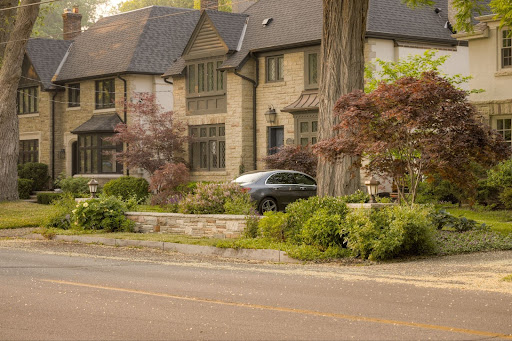
A well-designed garden doesn’t just complement a century home—it enhances its most striking features. Thoughtful landscaping can draw attention to architectural details, creating a seamless connection between indoors and outdoors.
Highlighting Architectural Features
- Framing with Greenery:
Use hedges, climbing roses, or wisteria to frame architectural details like arched doorways, bay windows, or wraparound porches. This creates a visual flow that draws the eye to the home’s unique design. - Pathways That Lead the Way:
Stone pathways not only provide structure but also guide visitors toward key areas of the property. Opt for materials like flagstone or cobblestone that harmonize with the home’s original construction. - Showcasing Stone and Brick:
Keep garden beds low and unobtrusive near exposed stone or brick facades. This ensures the textures and patterns of the home’s materials remain a focal point.
Inspiration: Imagine a winding cobblestone path leading to a century home’s ivy-covered façade, with hydrangeas blooming softly along the way. The result? A space that feels as if it’s been there forever.
Blending Period-Appropriate Plants
The right plants can evoke the time period of a century home, making the garden feel like a natural extension of its history.
- Victorian-Inspired Gardens: Incorporate symmetrical layouts with formal hedges, boxwoods, and flower beds filled with roses, lavender, and peonies.
- Cottage Charm: Opt for overflowing beds of foxgloves, hollyhocks, and delphiniums to achieve a more relaxed, English garden feel.
Pro Tip: Research the era in which your home was built to understand the landscaping trends of that time. This helps you choose plants and layouts that reflect its original charm.
Creating a Garden for Generations to Enjoy
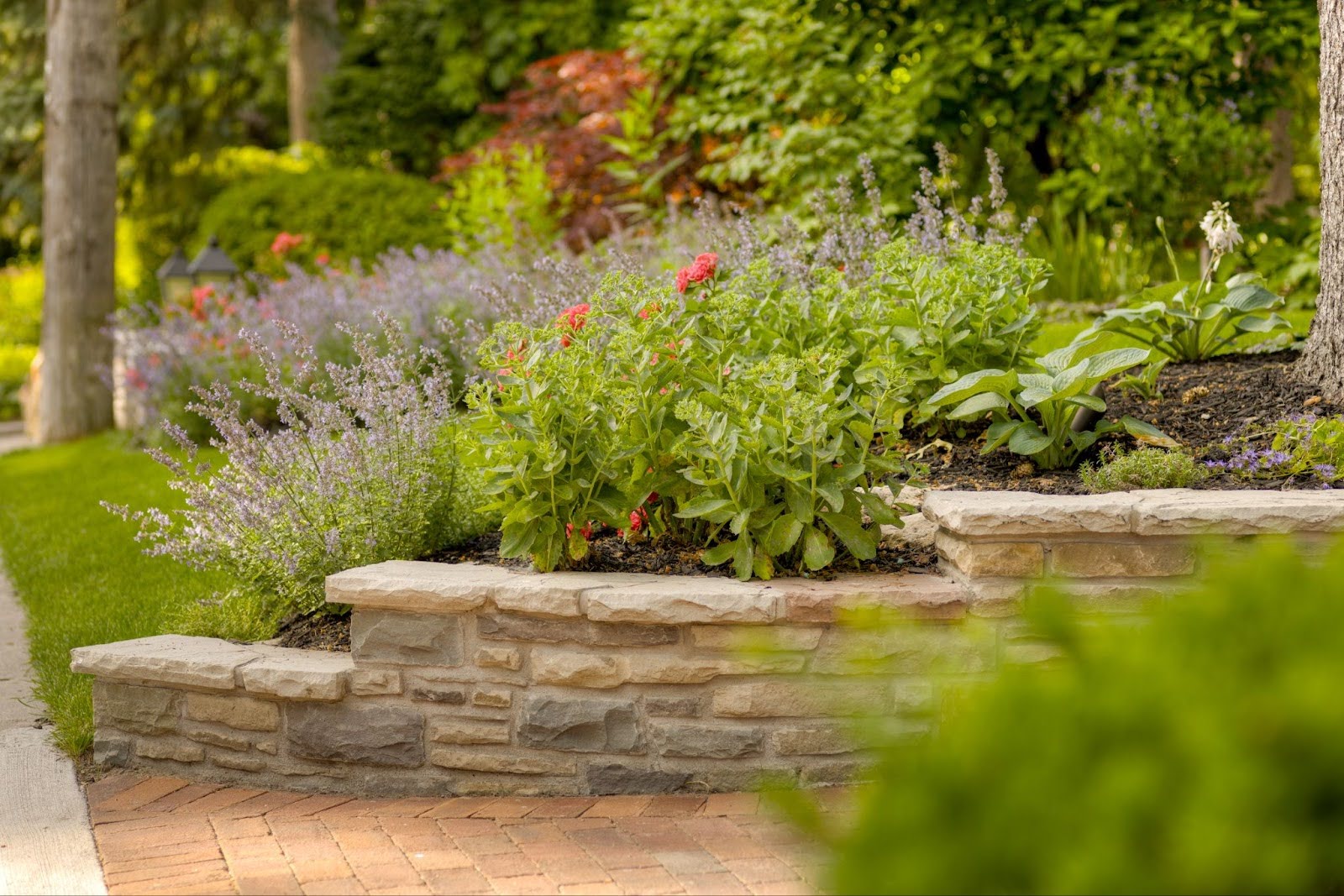
Landscaping a century-old home isn’t just about honoring the past, it’s about creating a legacy for the future. A well-designed garden can become a cherished space for your family, inspiring memories and connections for years to come.
Designing with Longevity in Mind
- Durable Materials: Use high-quality stone and native plants that can thrive for decades with minimal upkeep.
- Family Features: Include spaces like a small lawn for outdoor games or a pergola for shared meals and celebrations.
Inspiration: Picture your garden evolving over time, with children planting flowers alongside heirloom varieties and paths worn smooth by years of footsteps.
The Emotional Connection Between Home and Garden
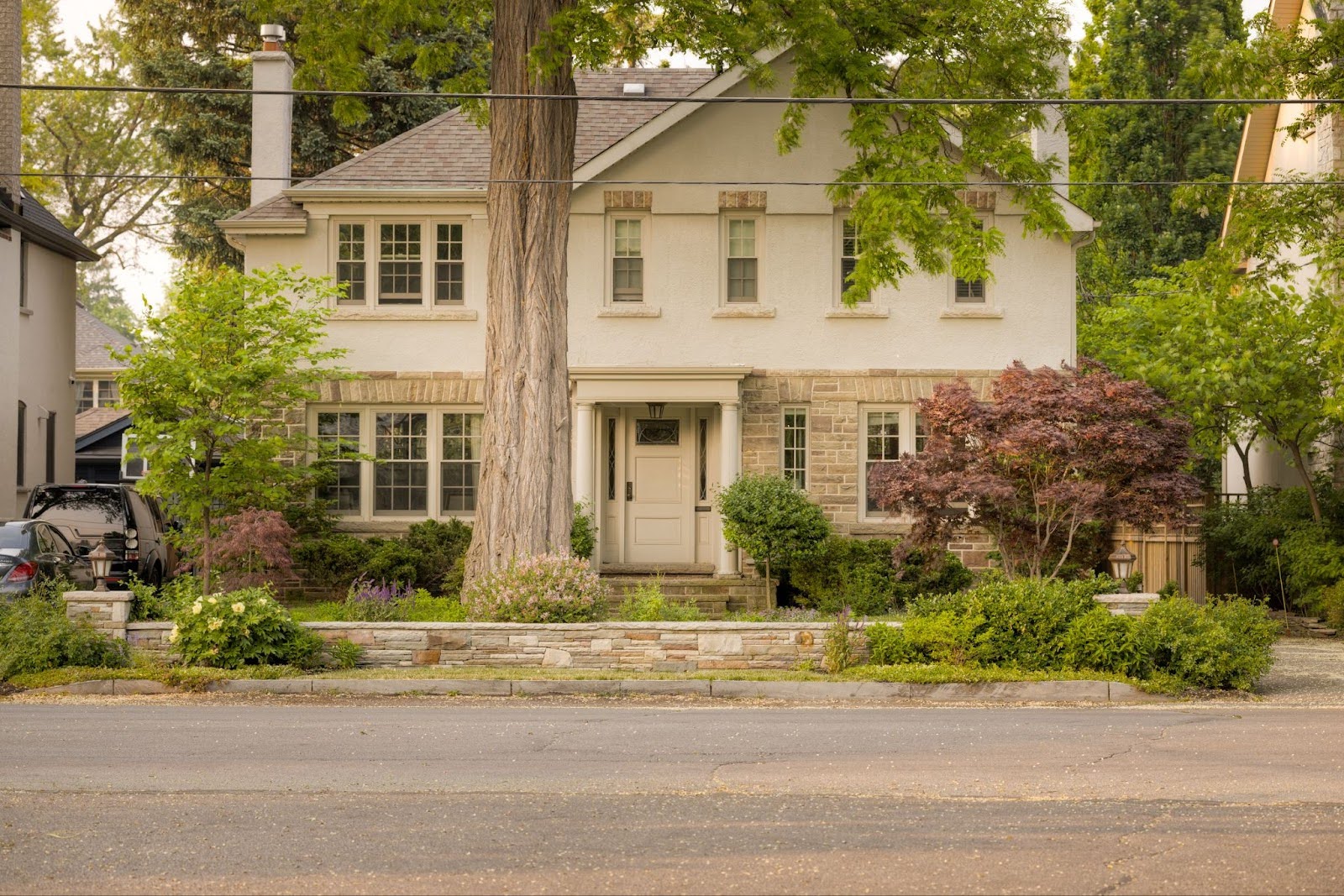
For many century homeowners, the garden is more than just an outdoor space—it’s an emotional bridge to the past. Thoughtful landscaping can evoke a sense of nostalgia, pride, and connection, deepening your appreciation for the property’s history.
Creating Spaces That Tell Stories
- Memory-Inspired Designs: Incorporate features that resonate with personal or historic significance, like a garden bench placed near a long-standing tree.
- Evoking a Sense of Belonging: Design your garden as a place where family gatherings, quiet moments, and seasonal rituals feel natural and timeless.
Inspiration: Picture an intimate seating area surrounded by heirloom flowers—roses and lavender—that could have been part of the original owner’s vision a century ago.
Using Textures to Complement Historic Charm
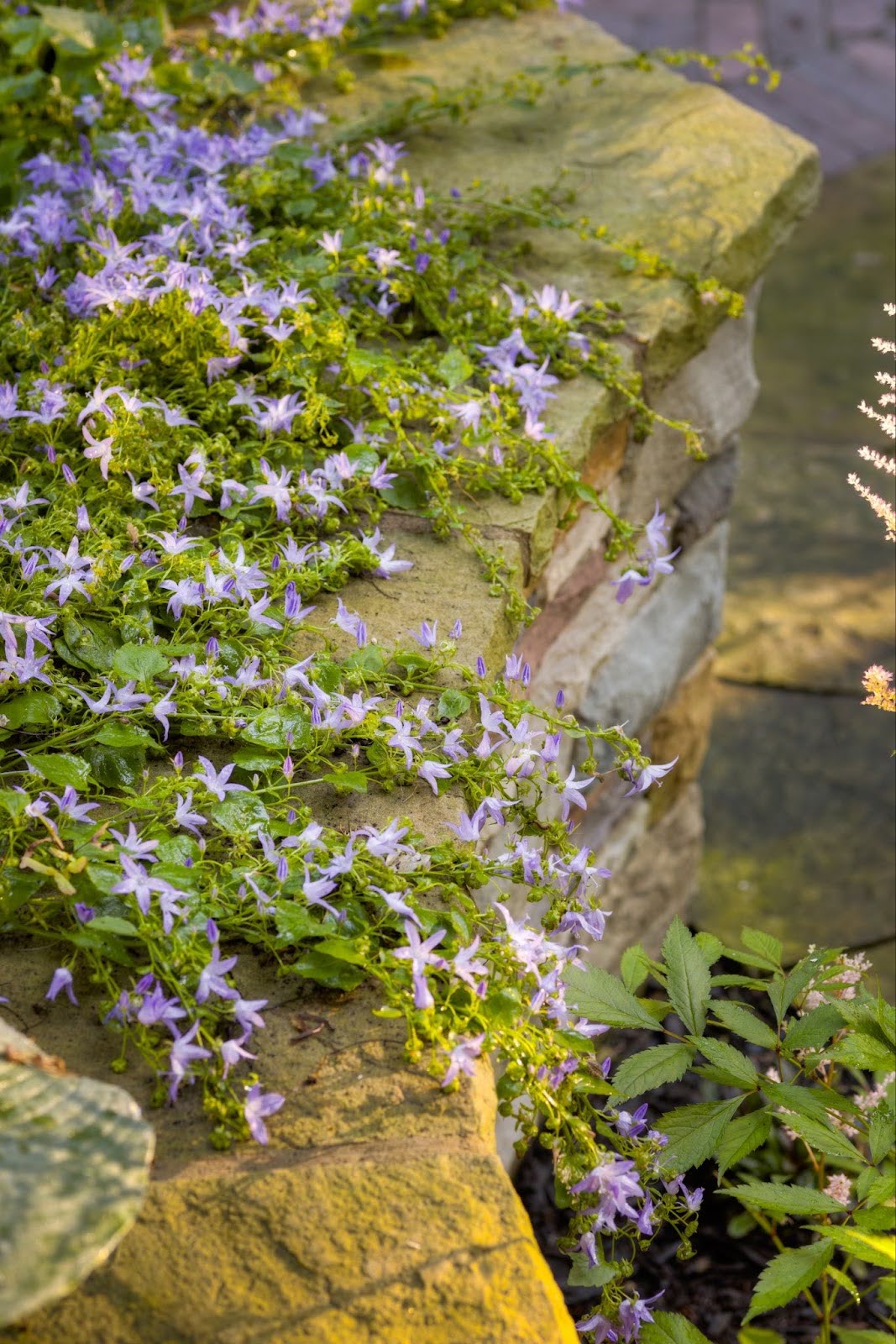
A successful landscape design for a century home doesn’t just focus on plants and pathways, it pays attention to the textures that enhance the home’s unique materials.
Pairing Garden Textures with Architecture
- Weathered Stone and Soft Foliage: Pair the rugged textures of stone walls or steps with feathery plants like ferns or ornamental grasses for a harmonious balance.
- Brick and Bright Greens: Use vibrant foliage like hostas or hydrangeas to create contrast against brick facades.
- Wood and Wisteria: Blend rustic wooden arbors or pergolas with the cascading blooms of wisteria for an enchanting effect.
Pro Tip: A garden’s textures should feel like an extension of the home, blending naturally to create a cohesive and timeless look.
Why Thoughtful Landscaping Matters
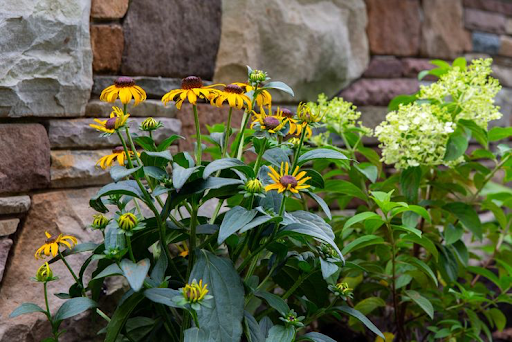
Every stone, plant, and pathway contributes to the overall story of the home, creating a cohesive environment that feels timeless and intentional.
By choosing landscaping ideas that honour a home’s history while incorporating subtle modern touches, homeowners can create a space that reflects their pride in their property and their vision for the future.
Address challenges, enhancr architectural features, and incorporate thoughtful garden designs to create an outdoor space that feels as enduring and cherished as the home itself.
Ready to transform your garden into a timeless extension of your century home? Request a consultation to discuss your landscaping vision and begin the journey toward a space that’s uniquely yours.